Most people start their fitness journey with a simple goal—to lose weight. They eat less, do more cardio, and try to reduce the number on the weighing scale as quickly as possible. And yes, the weight does go down. But after a few weeks, something feels off. Their body doesn’t look much better. They feel weaker. Their energy levels drop. And in many cases, they end up looking “skinny” rather than fit. This happens because they are not just losing fat—they are losing muscle too.
And that’s where the real problem lies.
Muscle is what gives your body shape, strength, and a defined appearance. If you lose muscle along with fat, your progress becomes misleading. You may weigh less, but you won’t look or feel better. This is why the real goal should never be just weight loss. It should be fat loss while preserving muscle.
Once you understand this, your entire approach to fitness changes.
Why Your Body Loses Muscle During Fat Loss
To understand how to prevent muscle loss, you first need to understand why it happens.
When you reduce your calorie intake, your body enters a state where it needs to find energy from stored sources. Ideally, it should use body fat. But your body is not designed to think in terms of aesthetics—it thinks in terms of survival. From your body’s perspective, muscle is “expensive.” It requires energy to maintain. So when food intake drops, the body may try to reduce muscle mass to conserve energy.
At the same time, if your diet lacks protein, your body does not have enough building material to maintain muscle tissue. And if you are not lifting weights, your body gets no signal that the muscle is still needed.
So what happens?
Your body starts breaking down muscle along with fat. This is why many people lose weight but don’t improve their physique.
The Mistake of Aggressive Dieting
One of the biggest reasons for muscle loss is trying to lose fat too quickly. Extreme calorie restriction might give fast results on the scale, but it creates a high-stress environment inside the body. In this state, the body becomes more likely to break down muscle for energy. You may feel tired, weak, and less motivated to train. Your workouts become less effective, and your recovery suffers.
In contrast, a moderate calorie deficit allows your body to function properly while still losing fat.
Think of it this way—fat loss is not a race. The faster you try to go, the more damage you may cause. A slower, controlled approach not only preserves muscle but also gives better long-term results.
The Role of Protein: Your Muscle’s Safety Net
If there is one nutrient that becomes even more important during fat loss, it is protein. Protein acts as a protective layer for your muscles. It helps repair the damage caused during training and provides the building blocks your body needs to maintain muscle tissue. When you are in a calorie deficit, your body is already under pressure. Without enough protein, it becomes much easier for your body to break down muscle.
But when your protein intake is sufficient, your body is more likely to hold on to muscle and use fat as the primary energy source.
Another benefit of protein is that it keeps you full for longer. This makes it easier to stick to your diet without constant hunger. So while calories decide whether you lose weight, protein helps decide what kind of weight you lose.
Why Strength Training Changes Everything
If diet creates the condition for fat loss, training decides how your body responds to it. Many people make the mistake of focusing only on cardio during fat loss. While cardio helps burn calories, it does not tell your body to preserve muscle. Strength training does.
When you lift weights, you are sending a clear message to your body:
“These muscles are important. Don’t lose them.”
This signal is extremely powerful. Even when you are eating fewer calories, strength training helps your body hold on to muscle mass. It also improves your strength, posture, and overall body shape. Without strength training, your body has no reason to maintain muscle, especially during a calorie deficit.
Finding the Right Balance with Cardio
Cardio is often seen as the main tool for fat loss, but it should be used wisely. It helps increase calorie burn, which can make it easier to stay in a deficit. But when overused, it can lead to fatigue and interfere with recovery. Too much cardio, combined with low calorie intake, creates a situation where your body is constantly under stress. This increases the risk of muscle loss. The key is balance.
Use cardio to support your goal, not replace proper diet and strength training. When used correctly, it can enhance fat loss without harming muscle.
The Overlooked Power of Recovery and Sleep
Most people think progress comes from training harder. In reality, progress comes from recovering better. When you work out, you are breaking down muscle tissue. When you rest, your body repairs and rebuilds it.
Sleep plays a major role in this process. During deep sleep, your body releases hormones that support muscle repair and fat metabolism. Poor sleep disrupts these processes and increases stress levels in the body. Higher stress can lead to muscle breakdown and make fat loss more difficult.
This is why people who train hard but sleep poorly often struggle to see results. Recovery is not optional. It is a key part of the process.
Why Patience and Consistency Matter the Most
One of the hardest parts of fat loss is staying patient. You may not see changes every week. The scale may move slowly. Some days may feel frustrating. But this is normal.
When you are trying to preserve muscle while losing fat, progress is naturally slower—but much better in quality. Over time, small changes start to add up. Your body looks leaner, your strength improves, and your overall fitness level increases.
Consistency is what turns these small changes into big results.
Understanding Progress Beyond the Scale
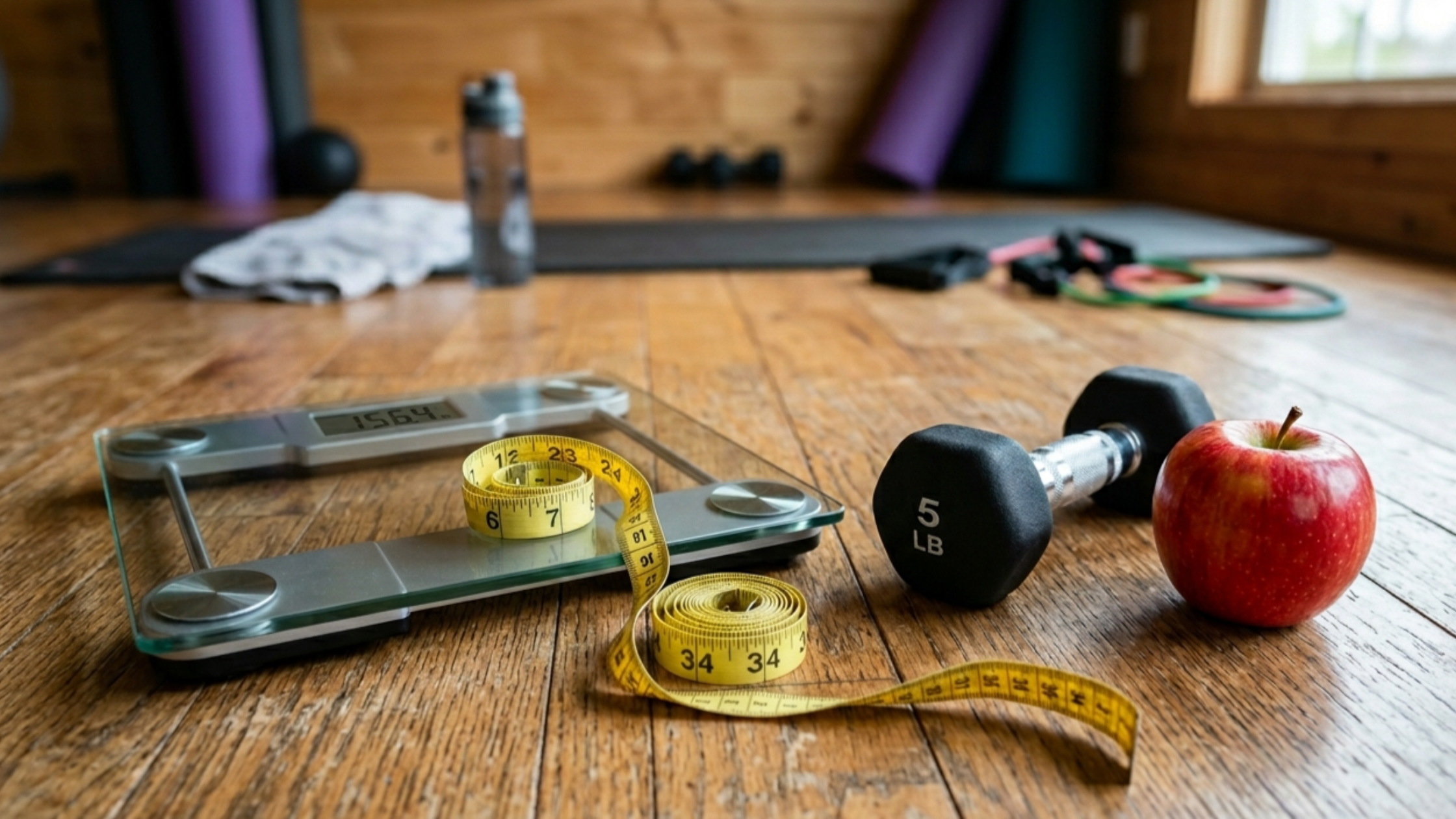
If you rely only on the weighing scale, you may miss the real progress. Sometimes your weight may stay the same, but your body is actually improving. You may be losing fat and maintaining muscle at the same time.
This is why it’s important to look at other signs:
– How your clothes fit
– Changes in your body shape
– Strength improvements in the gym
– Progress photos over time
These indicators give a clearer picture of what’s really happening.
Conclusion
Fat loss without losing muscle is not about doing more—it’s about doing things the right way. It requires a balanced approach where your diet, training, and recovery all work together. When you eat enough protein, train with purpose, manage your calorie intake, and give your body proper rest, you create the ideal environment for fat loss while preserving muscle. It may take time, but the results are worth it.
Because in the end, the goal is not just to lose weight—it’s to build a body that looks strong, feels energetic, and performs better in everyday life.